
"Make Time For Random"
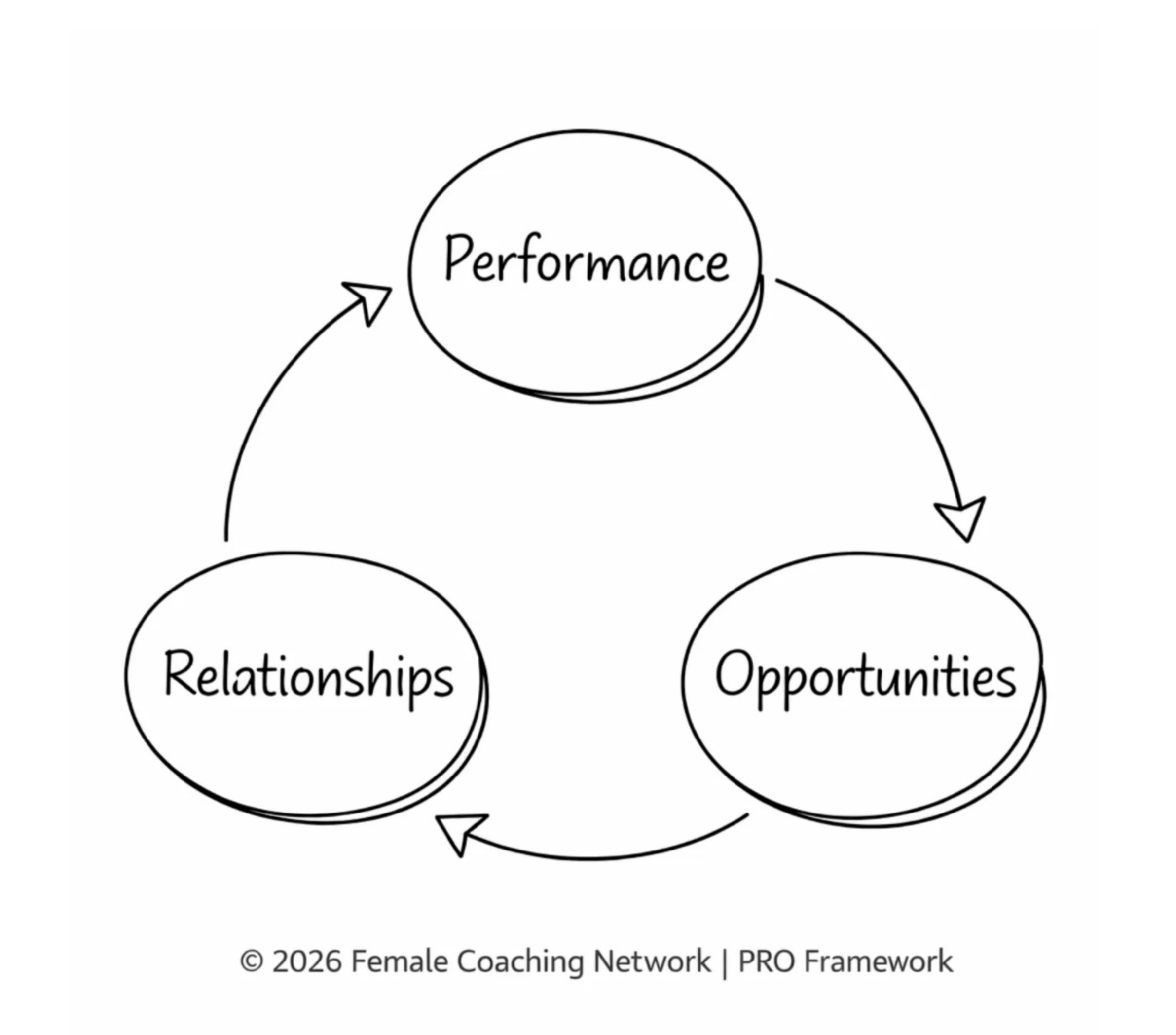
PRO: Relationships

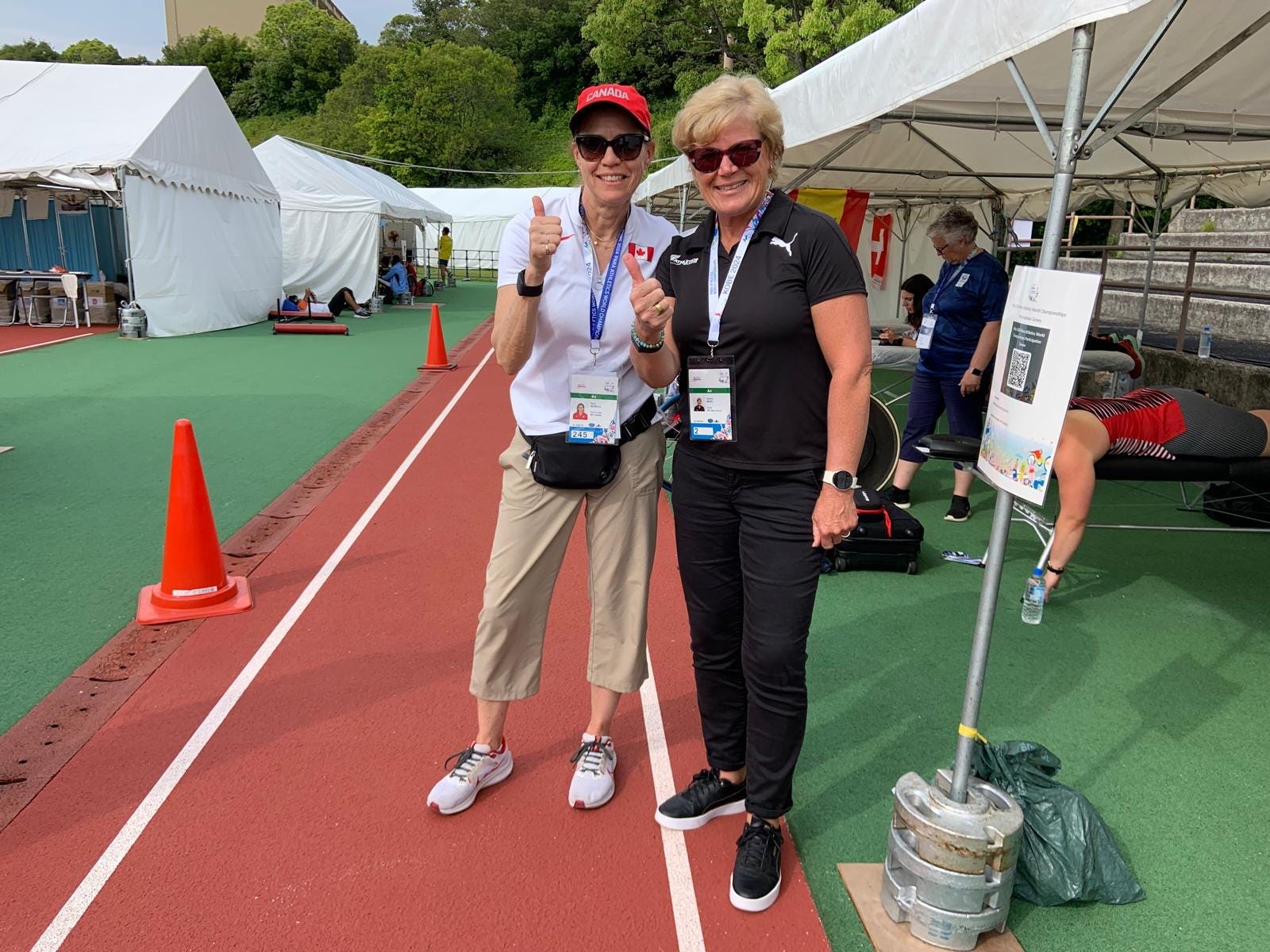
📸 Head Coaches Carla Nicholls (Canada) and Raylene Bates (New Zealand) at the Para Athletics World Championships in 2024.
This week, as part of our new series of articles supporting coaches and organisations to take a more holistic approach to addressing the persistent lack of female coaches across sport, we turn our attention back to the R of PRO - RELATIONSHIPS.
In today’s high-performance world — whether in sport, business or leadership — we are constantly encouraged to plan our time with precision.
If you follow productivity thinkers such as Cal Newport, Daniel Pink or Mel Robbins, you will likely be familiar with the idea of time-blocking: carefully structuring your days, weeks and even years so that every hour has a purpose.
The result often looks something like this: a calendar where every block of time is accounted for — training, meetings, deep work, family commitments, even rest. The promise is simple: avoid procrastination, increase focus, and make the most of the 24 hours available to us.
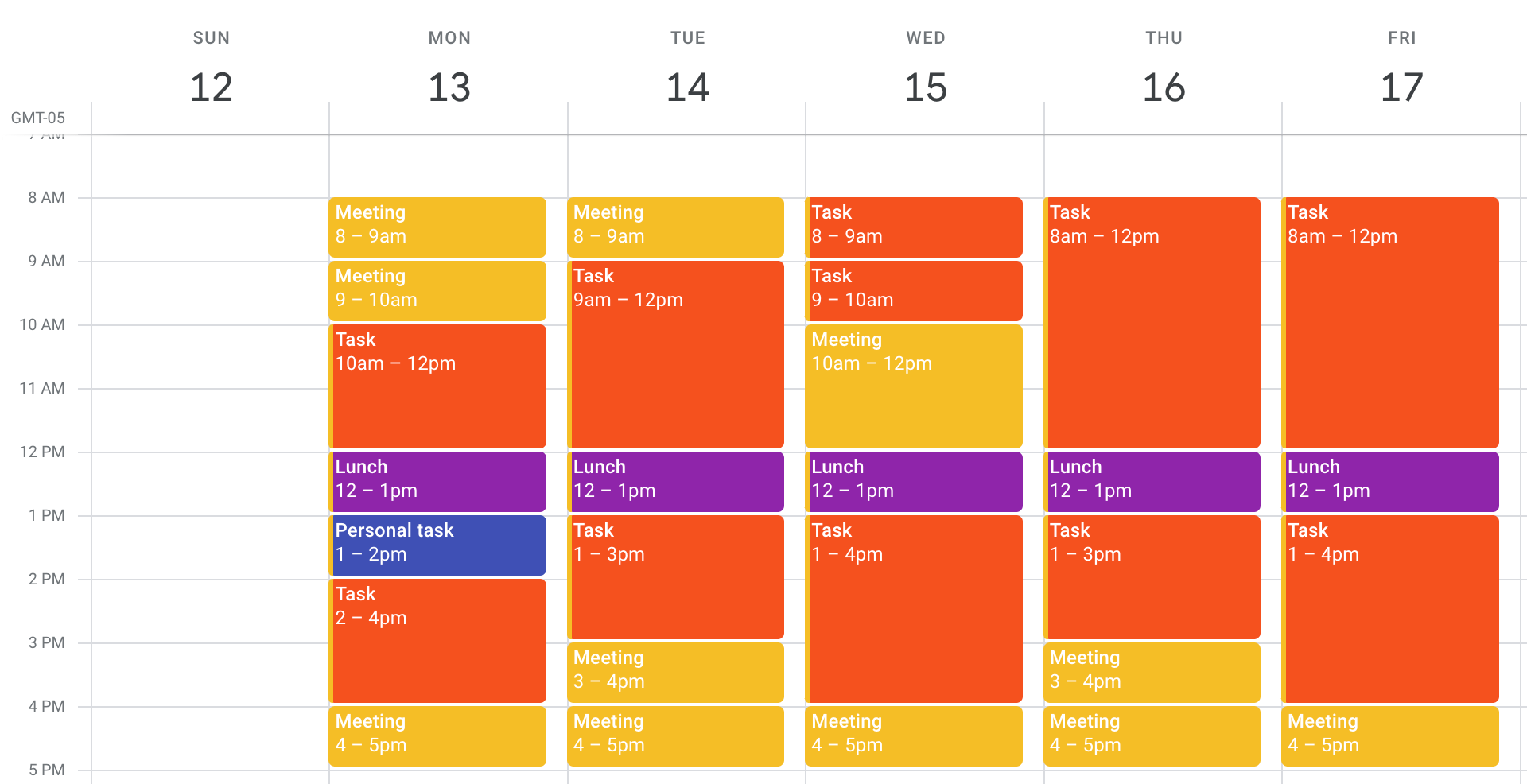
We are strong advocates of time-blocking, particularly for developing and high-performance coaches. Used well, it protects time for reflection, wellbeing and meaningful work — and prevents coaches from being consumed by the never-ending, often reactive demands of their environment.
But there is a trade-off.
When every minute is planned and productivity becomes the priority, where is the space for the unplanned conversation? The water-cooler chat. The unexpected connection. The offer of a an opportunity?
If we plan everything, where do new ideas come from? From walking a different route with the dog and discovering something new. From a chance conversation that shifts perspective. From moments that were never scheduled — but mattered.
And if we become too rigid with our time, and the relationships that exist within it, how do we create the conditions for creativity, trust and new ways of thinking to emerge?
Why Random is Important?
